
Helping children do more of what matters.
When communication, behavior, or everyday routines feel hard, our ABA team works to understand why. We build a clinically guided plan to help your child move forward with more success and independence.
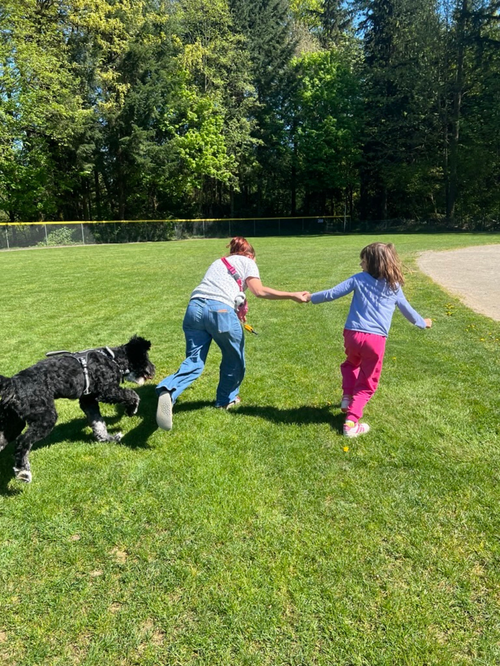
What does ABA actually help with?
ABA helps us understand how learning and behavior work together in real life. We use that information, based on years of research, to teach skills, reduce unsafe behavior, and make daily life more manageable.
Who may benefit
Children ages 2–18 whose needs affect safety, learning, independence, or participation.
What progress can look like
Communicating needs, handling change, completing routines, playing with others, staying safe, and doing more independently.
How we build the plan
The BCBA considers your child's development, assessment results, medical necessity, caregiver input and priorities, and progress data to determine appropriate goals and treatment approach.
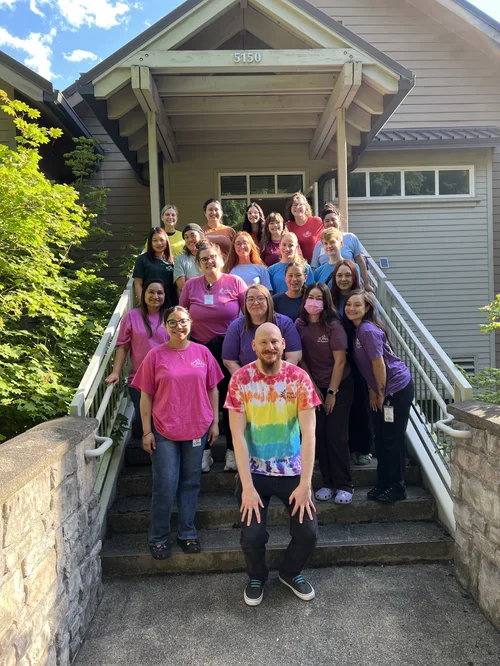
We are committed to compassionate care.
Our team recognizes and understands that the field of ABA has a problematic history.
At ICAN, the goal is not to change who a child is. We prioritize assent to ensure every child's autonomy, while our BCBAs guide treatment toward improving communication, safety, learning, independence, and quality of life.
- Respect communication, sensory needs, and signs of assent or distress
- Understand what behavior communicates and adjust the environment when appropriate
- Never target harmless autistic traits simply because they look different
The right level of support can change everything.
Some children need intensive early intervention. Others need focused help with specific barriers. The evaluation helps us determine the best fit.

Comprehensive Early Intervention
A structured, play-rich program with one-to-one support for communication, school readiness, routines, and independence.
Focused School-Age ABA
Targeted support for challenges affecting safety, learning, relationships, school participation, or life at home.
LEAP & ICAN Academy
For children who benefit from support within classroom routines, LEAP offers kindergarten readiness and ICAN Academy provides a private K–2 school option.
Explore LEAP →Explore ICAN Academy →
Not sure which program is the right fit? Start with registration, and our clinical team will help determine the next step.
Get startedYou do not have to figure out the next step alone.
Start with registration. We will guide you through evaluation, insurance, and scheduling.
Tell us what is happening
Complete registration and share your concerns, insurance, and availability.
Meet with a BCBA
Your BCBA evaluates needs and explains the clinical recommendations.
Begin the plan
We complete authorization with your insurance and coordinate the recommended schedule.
Insurance and costs: Coverage, authorization requirements, deductibles, copays, and coinsurance vary by plan. A benefit check is an estimate and does not guarantee payment.
ABA therapy FAQ
What happens during ABA therapy?
Who provides ABA therapy?
How many hours of ABA will my child need?
How are parents and caregivers involved?
Why is ABA controversial, and how is ICAN’s approach different?
Does insurance cover ABA?
Let’s find the next step.
Begin registration and our clinical team will help you understand whether ABA may be the right fit.